Bali Rainy Season Travel Guide by Blue Karma Secrets
by Queen
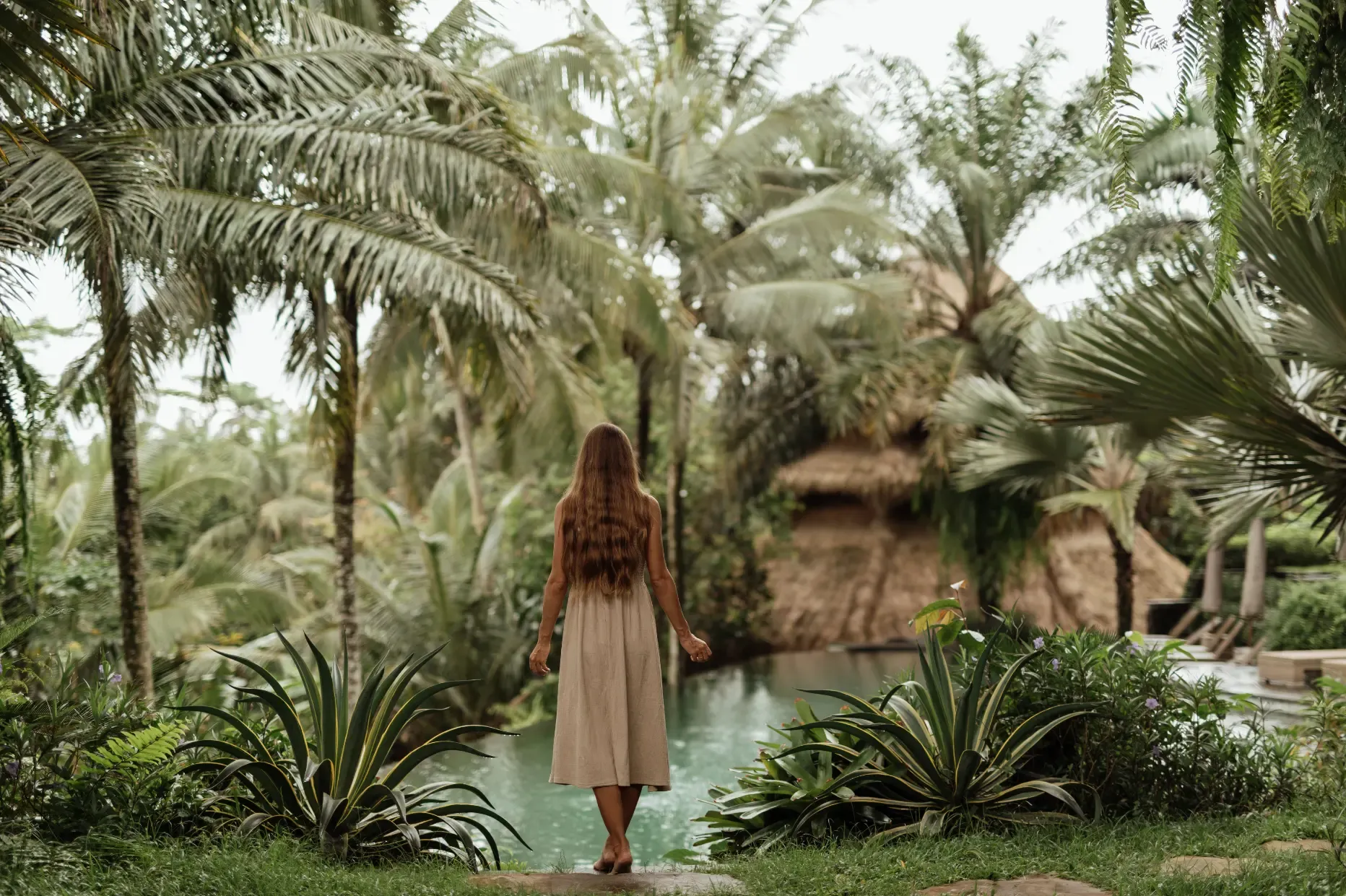
Rain arrives in Bali not as an interruption, but as a rhythm.
It gathers above the palms. It moves through the rice fields in silver threads. It rests on temple stones and rises again as mist.
During the wet season, mornings feel quieter. The greens deepen. The scent of earth becomes more present. Life slows, not out of urgency, but in alignment with nature’s pace.
Recently, conversations have surfaced about heavy rainfall and localized flooding in parts of the island. Headlines can travel quickly. Yet to understand Bali fully, we must understand its seasons.
Understanding Bali’s Wet Season
Bali’s tropical climate follows a natural cycle. From roughly November through March, the island enters its rainy season.
Rain often arrives in bursts. Intense, yet temporary. An afternoon downpour may sweep through, only to give way to a calm, clear evening.
In certain low-lying areas, particularly near rivers or dense urban drainage zones, localized flooding can occur during periods of heavier rainfall. This is not unusual for tropical destinations.
What is important to understand is scale. These conditions are typically contained to specific neighborhoods. They are not island-wide disruptions.
Flights continue to operate. Hotels remain open. Restaurants, cultural sites, and daily life move forward.
What Headlines Don’t Always Show
Images of a flooded street can travel far beyond the place itself.
Yet recent impacts have been localized and temporary. Some areas experienced brief flooding due to drainage overflow. As waters receded, activity resumed quickly.
The majority of Bali’s tourism centers, hospitality hubs, and transportation routes remain fully functional.
This is part of living and traveling, within a tropical climate.
Bali is not defined by its rain. It adapts to it.
Traveling Bali During the Rainy Season
There is a different beauty here during these months.
Rice terraces glow in deeper shades of emerald. Waterfalls run fuller. The air feels cooler, carrying a freshness that lingers long after the rain has passed.
Travel becomes slower, more reflective. Fewer crowds gather at popular sites. Afternoon showers offer natural pauses, invitations to sit, sip tea, read, or simply listen.
A temple courtyard after rain feels almost cinematic. The sound of droplets on bamboo roofs becomes a meditation in itself.
For those who travel with presence rather than perfection, this season offers depth.
It reminds us that travel is not only about blue skies. It is about immersion, about being fully where you are.
A Culture Built on Resilience
Bali has long lived in partnership with nature.
Its agricultural systems reflect centuries of understanding water’s movement and power. Communities here are accustomed to seasonal shifts. Infrastructure adapts. Local teams respond swiftly. Ritual and routine continue side by side with rain.
There is steadiness beneath the surface.
This resilience is quiet, woven into daily life, not performed for headlines.
Choosing Presence Over Panic
In a world of constant updates and amplified imagery, it is easy to interpret weather as warning.
Yet Bali remains what it has always been: a living island with cycles of sun and rain.
Localized rainfall does not diminish its safety, nor its spirit.
Travelers who arrive during this season discover something different, perhaps even more intimate. The island breathes differently. And so do you.
Whether in the jungle of Ubud, the artistic calm of Seminyak, or the quiet corners of Umalas, Bali continues to welcome with warmth and steadiness.
Wherever your journey leads, we invite you to stay with us at Blue Karma Dijiwa Ubud, Blue Karma Dijiwa Seminyak, or Blue Karma Village. Three sanctuaries designed for comfort, calm, and connection in every season.
Rain is not disruptive. It is a rhythm.
And the island remains open, vibrant, and ready to receive you, just as it always has.